
Toronto's Boutique Fitness Market: What the Numbers Are Telling Us in 2026
Telomere has worked with studios across Toronto through some of the most turbulent years boutique fitness has seen, through the pandemic shutdowns, the reopening chaos, and the boom that followed. We know it well because we've worked with dozens of studios and because I live here. I've watched this market fight, adapt, and grow into one of the most dynamic boutique fitness landscapes in North America. Toronto is a city worth paying attention to if you're operating here and if you're not.
Toronto's fitness consumers are among the most engaged anywhere. They show up, they spend, and they are genuinely excited about how they move. The demand is real and it isn't going anywhere. What the market keeps revealing, though, is that strong consumer appetite doesn't protect a studio without a clear position.
Find Telomere's analysis below and learn more about where Toronto's boutique fitness market stands in 2026: the data, the dynamics, the white space, and what it means for studio owners everywhere.
The Numbers in Toronto’s Boutique Fitness Market
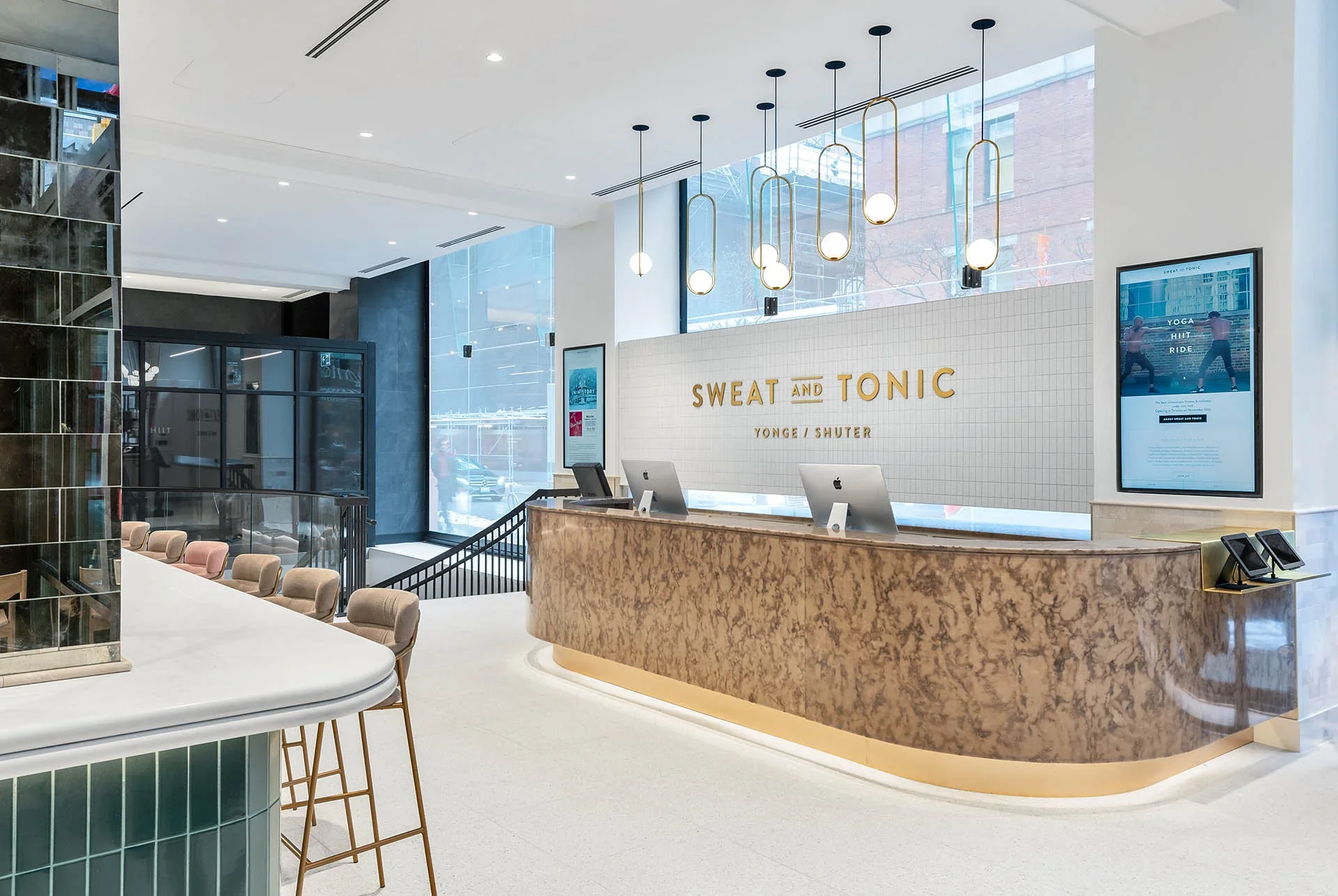
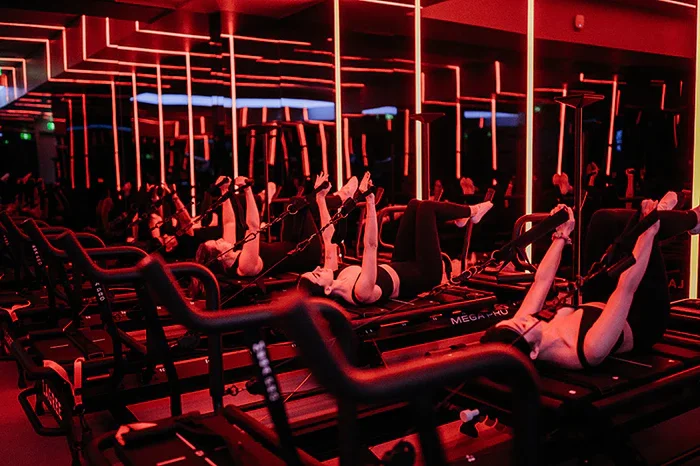
Sweat and Tonic in Toronto, Canada.
Canada's fitness industry generated $5.8 billion in operating revenue in 2024, a 14.9% increase year-over-year and the strongest year on record for the sector. The Greater Toronto Area accounts for approximately 22% of national fitness spending, a significant concentration for a city that represents roughly 16% of the national population. Boutique studios globally are growing at 7.6% annually, and in Toronto, that growth is being felt in every neighbourhood.
Class prices have risen an average of 6% over the past year. The typical boutique class now sits between $28 and $38, with premium operators pushing above $40. That pricing pressure is doing two things simultaneously: filtering price-sensitive clients toward low-cost alternatives, and raising the bar for what premium clients expect in return. Studios caught in the middle are feeling it from both directions.
The GTA accounts for 22% of national fitness spending. Toronto is not a regional market, it is a proving ground.
What We're Seeing
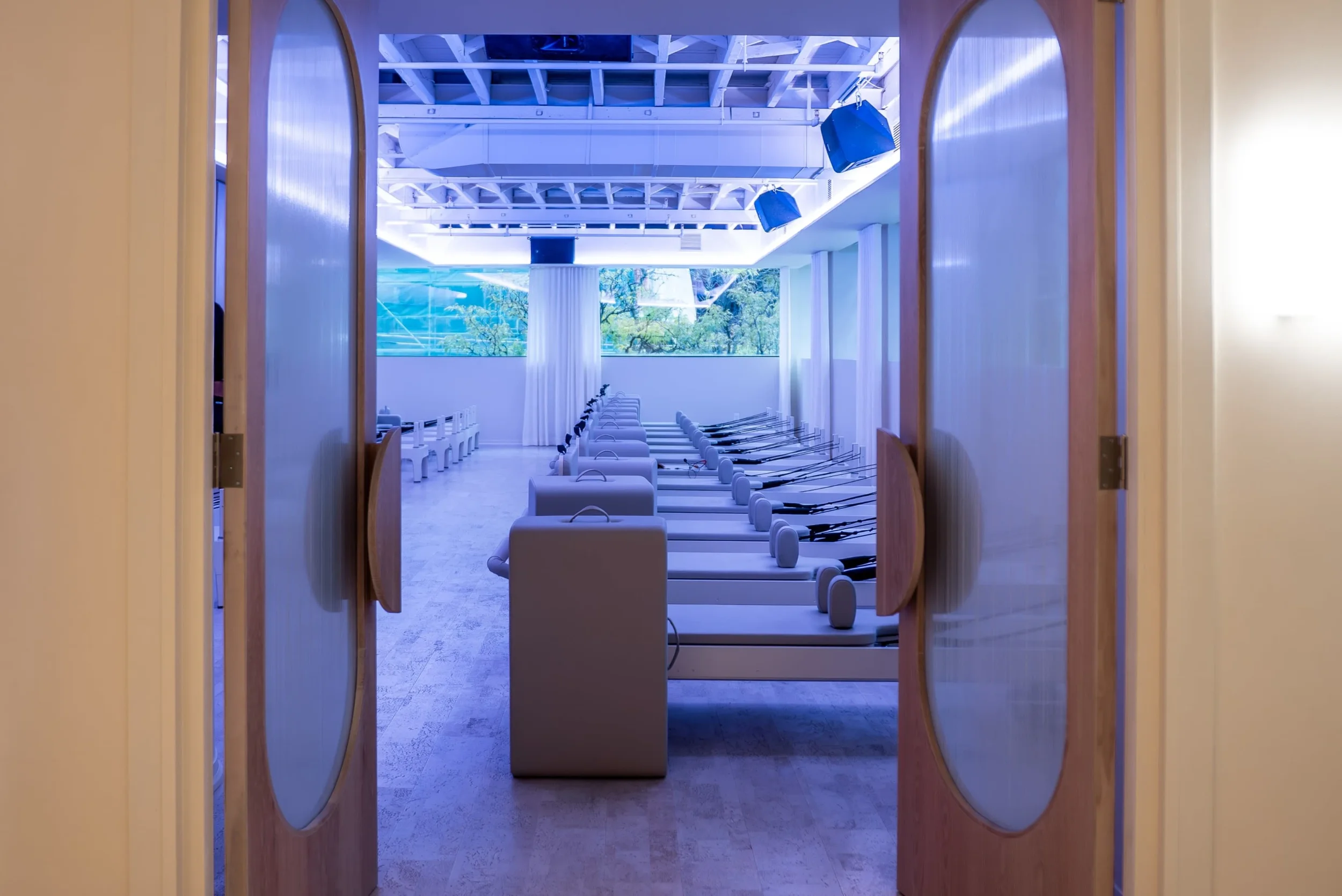
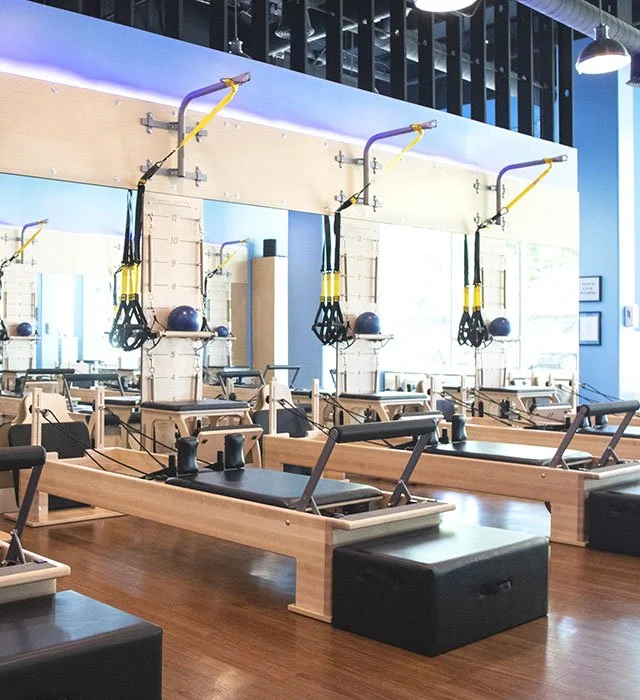
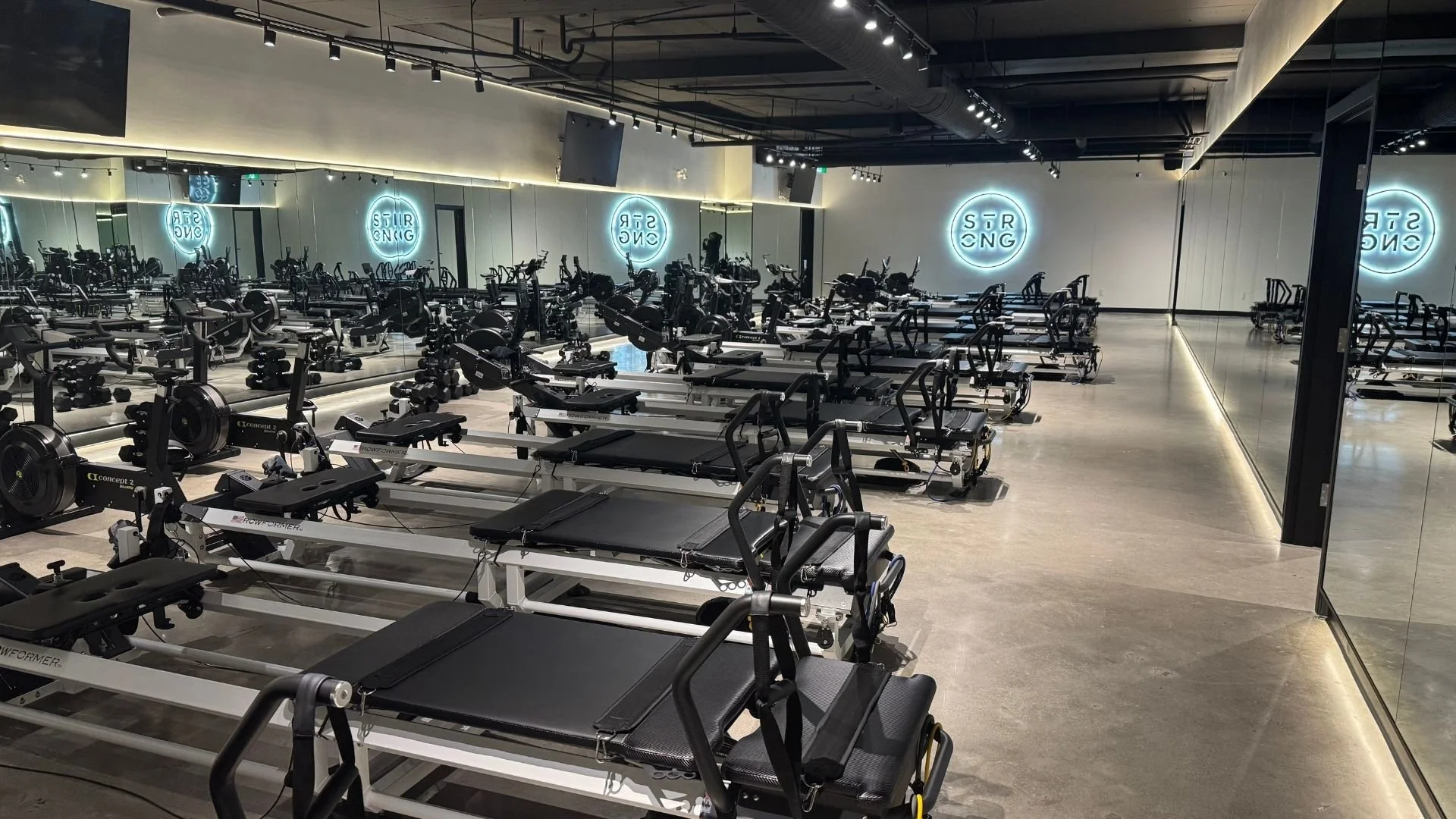
Pilates is increasingly popular in Toronto's boutique fitness scene right now, mirroring global trends but moving faster. Reformer studios have opened across every major neighbourhood, from the Annex to Leslieville to Liberty Village, and demand hasn't softened. Strong Pilates and Solis Movement have expanded significantly, while legacy operators have added reformer programming to protect their positioning.
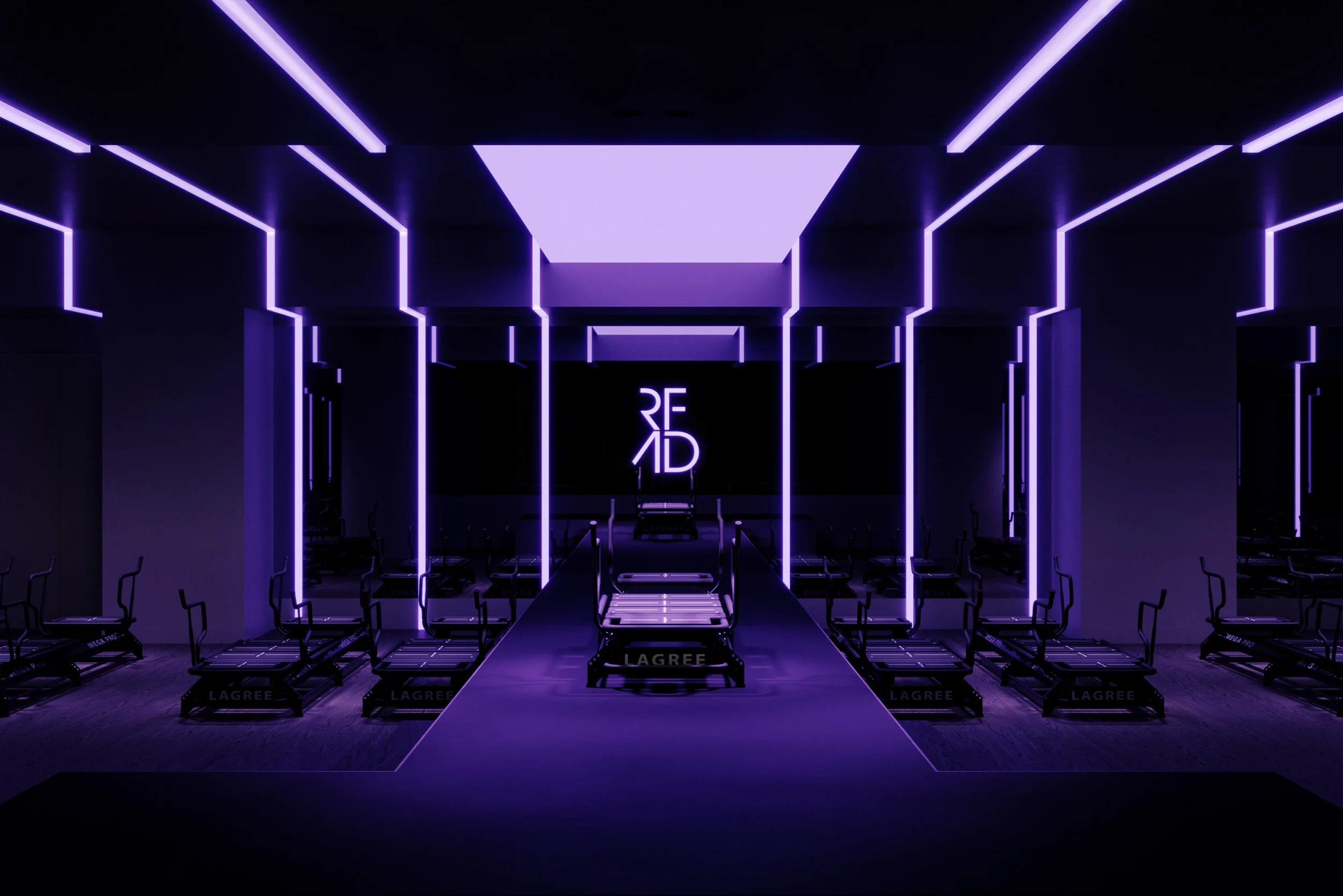
Sweat and Tonic remains the most instructive case study in the market. Since opening in 2019, it has grown to multiple locations, launched Reform'd as the world's largest-capacity Lagree studio, expanded to Los Angeles, and is opening a fourth Toronto location in Yorkville in 2026. It is the clearest local example of what a multi-modal, hospitality-led model can become when the execution matches the vision, and their trajectory shows both the ceiling that's possible in this market and the operational complexity required to reach it.
Yoga remains deeply embedded in Toronto's studio culture, though the mid-tier is saturated. The studios gaining ground are the ones with a clear point of view: a specific methodology, a community identity, a demographic focus. The Villij, built around women of colour and rooted in community care, is a studio using identity and intention as a real differentiator rather than a marketing layer.
Strength-based formats are gaining ground fast. The global data is clear: strength training is now the fastest-growing modality across demographic groups, including those historically served by Pilates and yoga. Toronto studios integrating structured strength programming alongside their existing modalities are ahead of a trend that hasn't peaked yet.
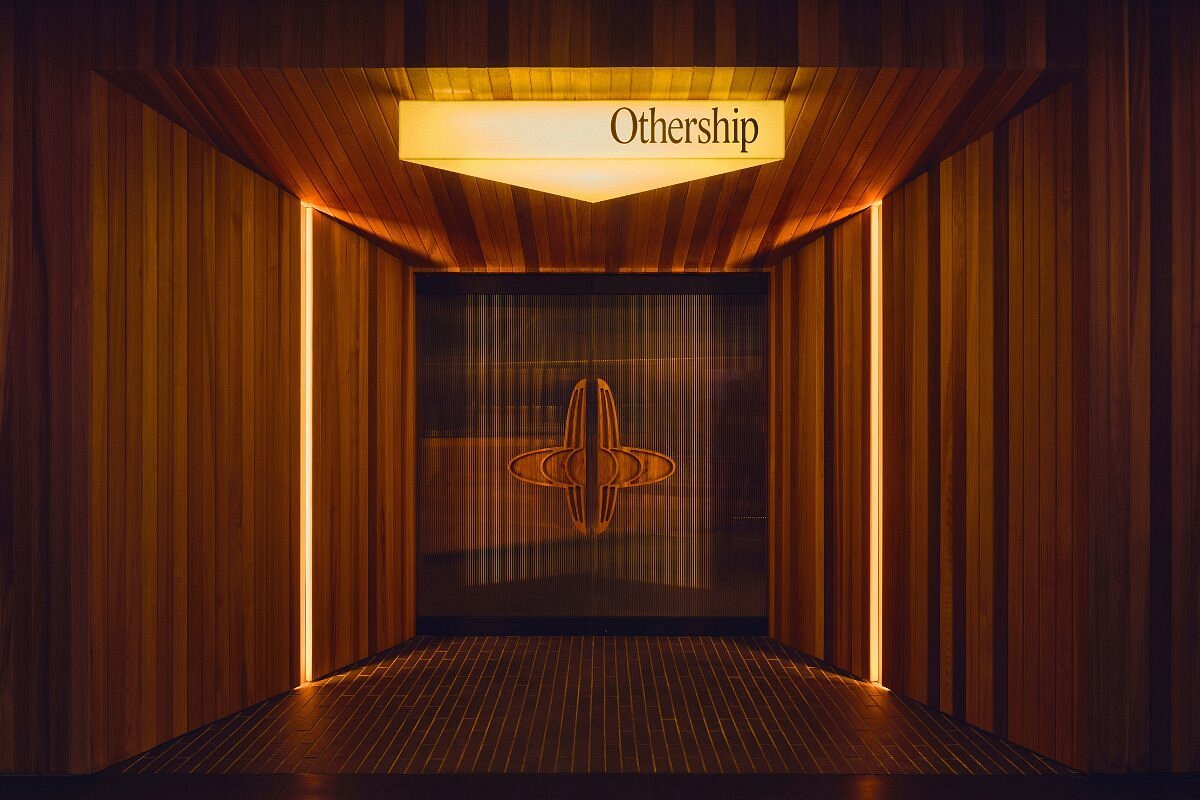
Recovery is moving from amenity to expectation. Othership, the sauna and cold plunge brand that has become one of Toronto's most talked-about wellness destinations, is the most prominent example of an operator building entirely around recovery. For traditional studios, the question is no longer whether to incorporate recovery but how to do it without compromising the core offering. Read more about our work with Othership here.
Sensory-driven formats are carving out their own space at the premium end of the market. LSDR builds its workout experience entirely around music, delivering megaformer classes through headphones while Jaybird takes a different approach, moving the workout into complete darkness. Both concepts reflect a broader shift in what premium Toronto consumers are looking for: not just a good workout, but an environment that is deliberately designed to change how the experience feels. Studios like these are early evidence that the next frontier in boutique fitness isn't just what you do in the room, it's how the room makes you feel.
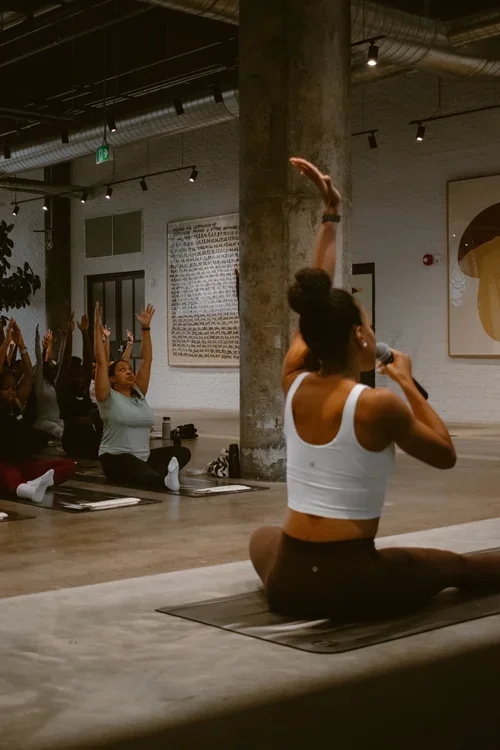
The Villij in Toronto, Canada.
Where the Boutique Fitness Market Is Splitting
Toronto has a stratification problem, and it's becoming more pronounced. There is strong demand at the premium end and strong demand at the accessible end, but the middle, studios priced in the $20 to $25 range, is getting squeezed from both sides. Low-cost operators undercut them on price while premium studios outcompete them on experience. Without a clear position at either end, the math gets harder every quarter.
The franchise wave is accelerating this dynamic. Club Pilates, Strong Pilates, and similar operators bring brand recognition, marketing infrastructure, and a standardized experience that independent studios can't easily replicate at scale. The independents competing successfully are doing so on what franchises structurally can't deliver: genuine community, owner presence, neighbourhood identity, and a product that feels considered rather than manufactured. That is a real competitive advantage, but only if it's built deliberately.
Where the Opportunity Is
Three genuine gaps exist in the Toronto boutique fitness studio market right now:
1. The first is functional strength for women, done well. The demand is there and the product quality in most studios attempting it isn't. A studio that builds a well-programmed strength format with the aesthetic and community sensibility of a Pilates studio would be entering a lane with real runway.
2. The second is the underserved East end. Studios are concentrated in the downtown core, Yorkville, and the West end, while Leslieville, Riverdale, and the Danforth have density, disposable income, and a community-oriented culture that boutique fitness thrives in. The demand exists and the supply hasn't caught up.
3. The third is intentional programming for aging demographics. With 23% of Canadians projected to be over 65 by 2030, and active aging ranked as the top trend in the Canadian fitness industry by canfitpro, the studios building programming that speaks directly to this demographic as a premium, results-oriented product are early to a very large market.
What Toronto’s Boutique Fitness Market Is Actually Teaching Us
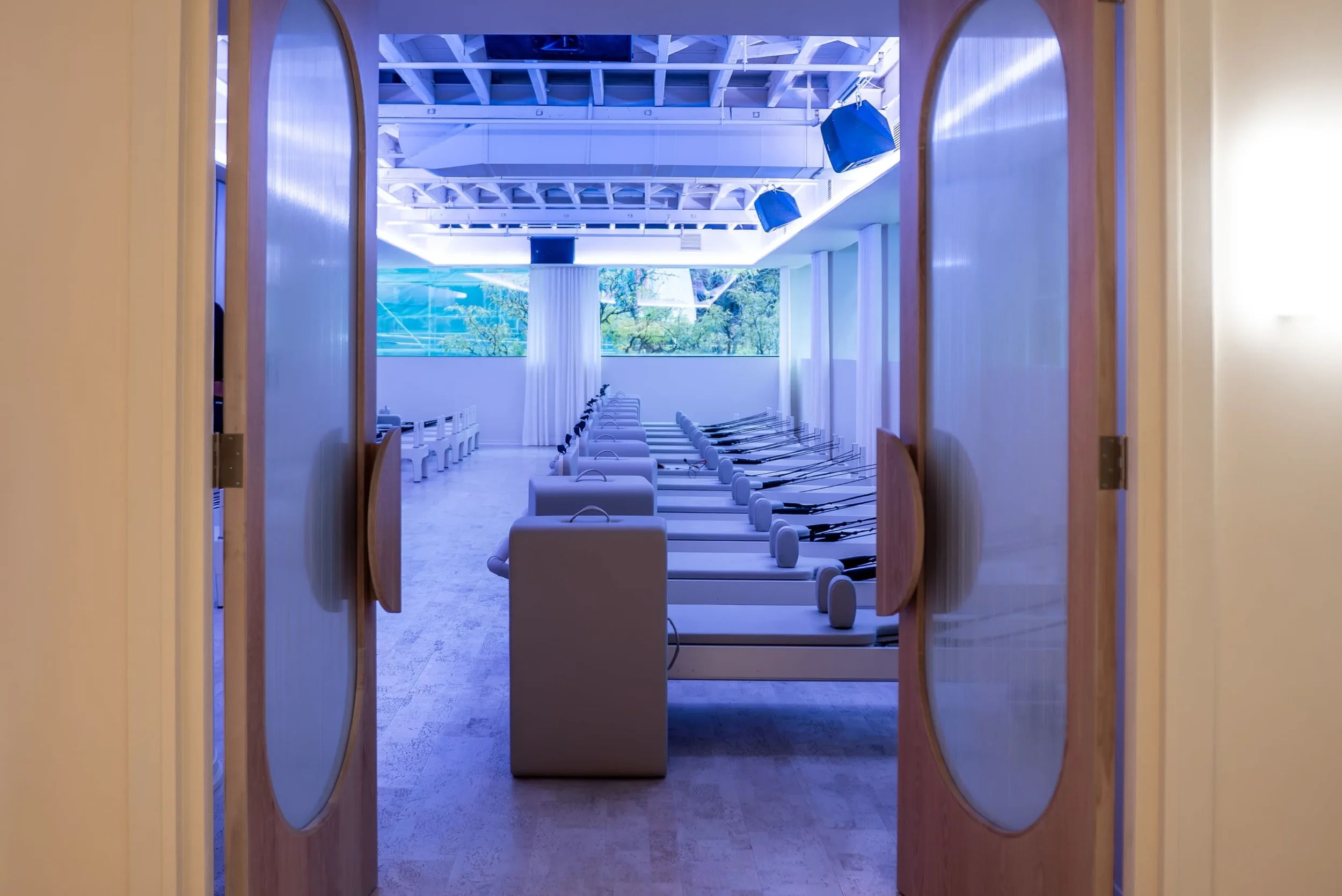
Solis Movement in Toronto, Canada.
Toronto is not an easy market to enter, and it is not getting easier. Studio density is high, the client is sophisticated, and the cost structure across rent, talent, and marketing is punishing. The studios building sustainable businesses here aren't trying to be everything. They have a clear position, a retention strategy that doesn't depend on promotions, and an understanding that their real competition isn't the studio two blocks away but client inertia and every other claim on discretionary time and money.
What Toronto keeps proving is that consumer enthusiasm is not a strategy. This city has some of the most engaged fitness consumers anywhere, ready to spend and ready to commit. Studios still fail here, not because the demand wasn't there, but because the position wasn't clear enough to hold it.
Telomere Consulting is the boutique fitness industry's leading business consultancy and marketing agency. If you are building or scaling a studio in the Toronto market or anywhere else, schedule your free discovery call here.
Telomere Consulting provides business consulting and marketing services to studio owners in the boutique fitness and yoga space. The Telomere team helps you navigate business strategy from conception to implementation. We provide end-to-end marketing support and would love to hear from you. Click here to book your free intro call. We want you to treat your business the way you treat your body – making the right choices now to optimize its potential for a long and healthy life. Visit us here to learn more.