
The London Boutique Fitness Market
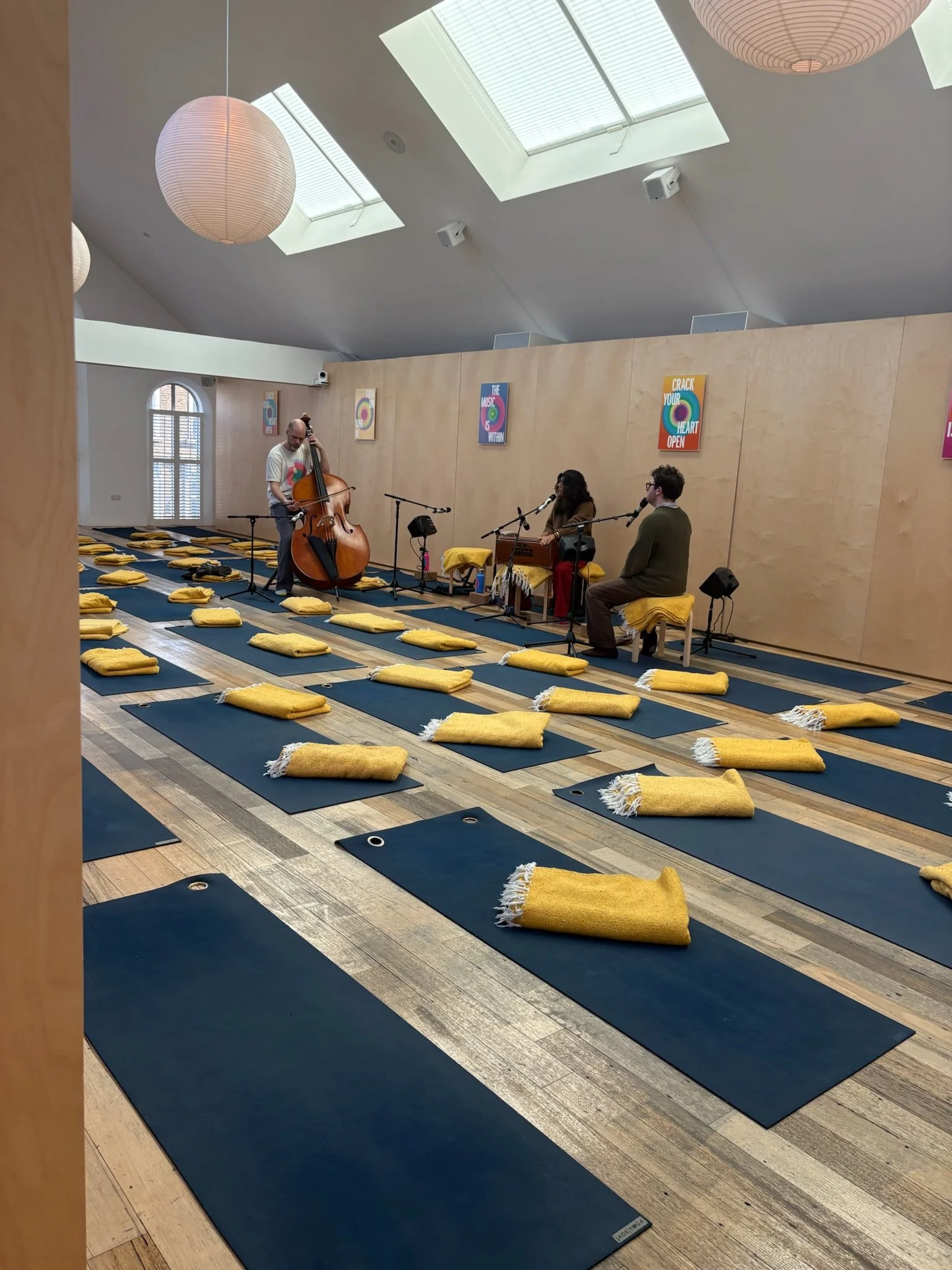
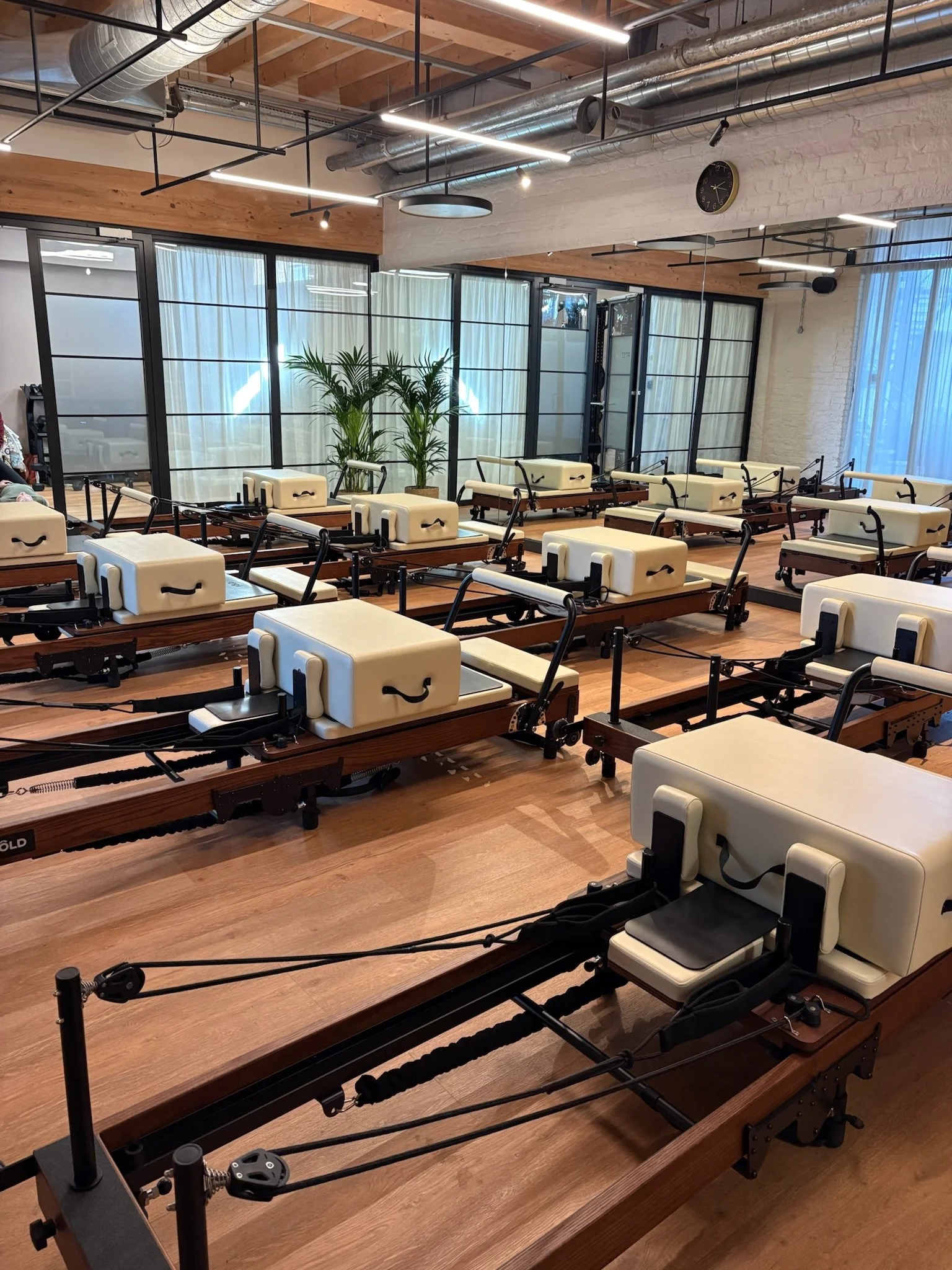
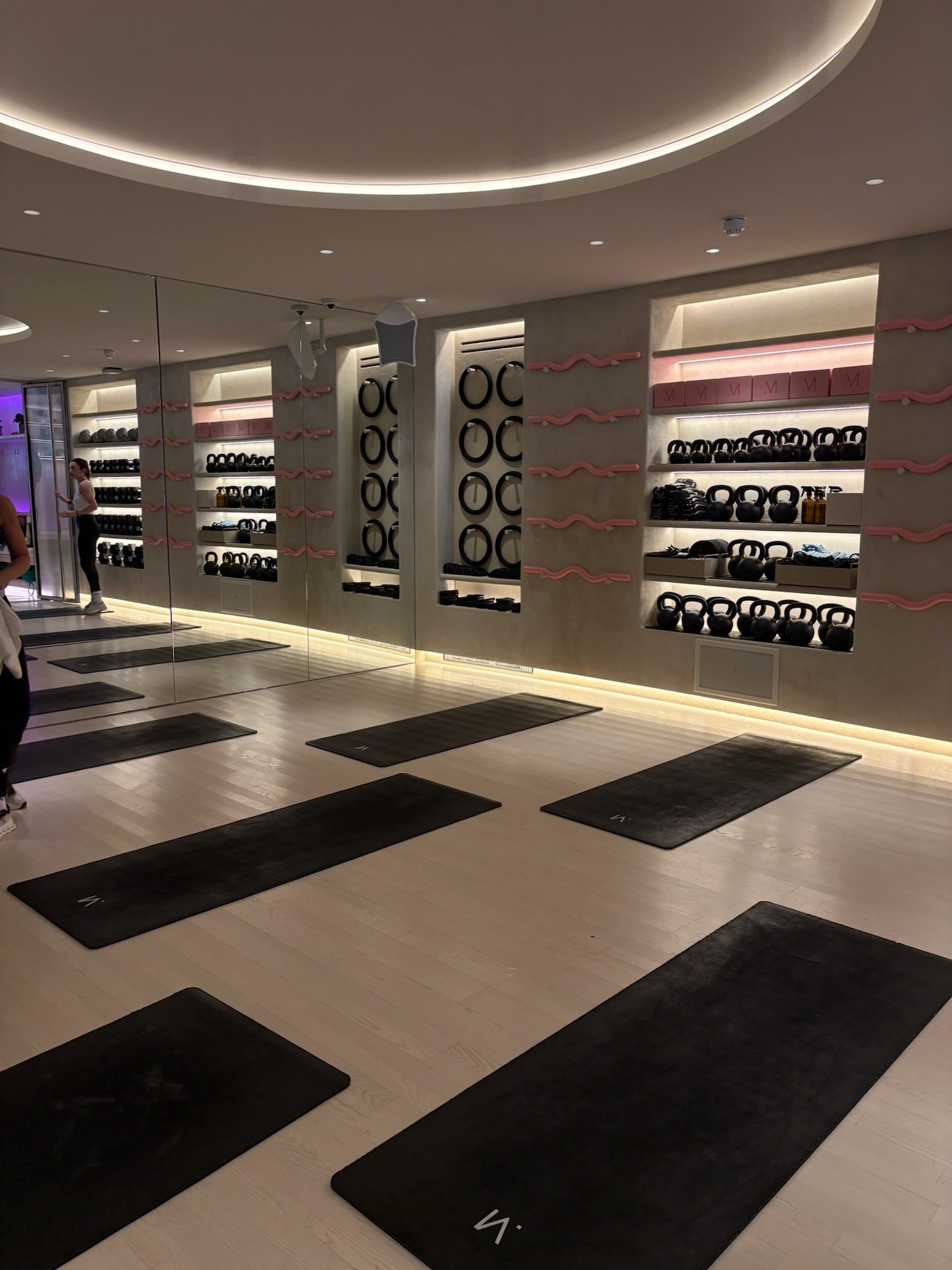
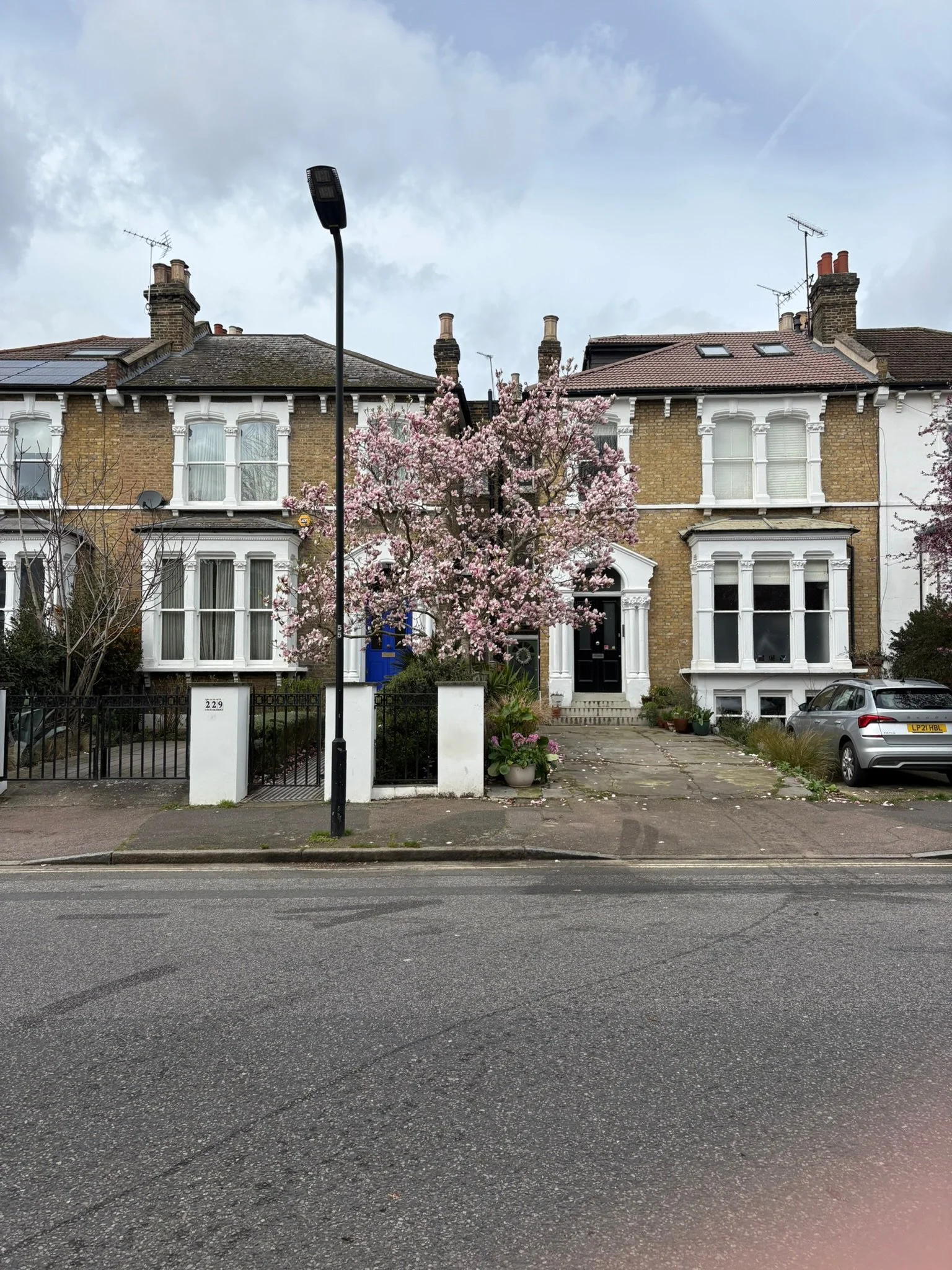
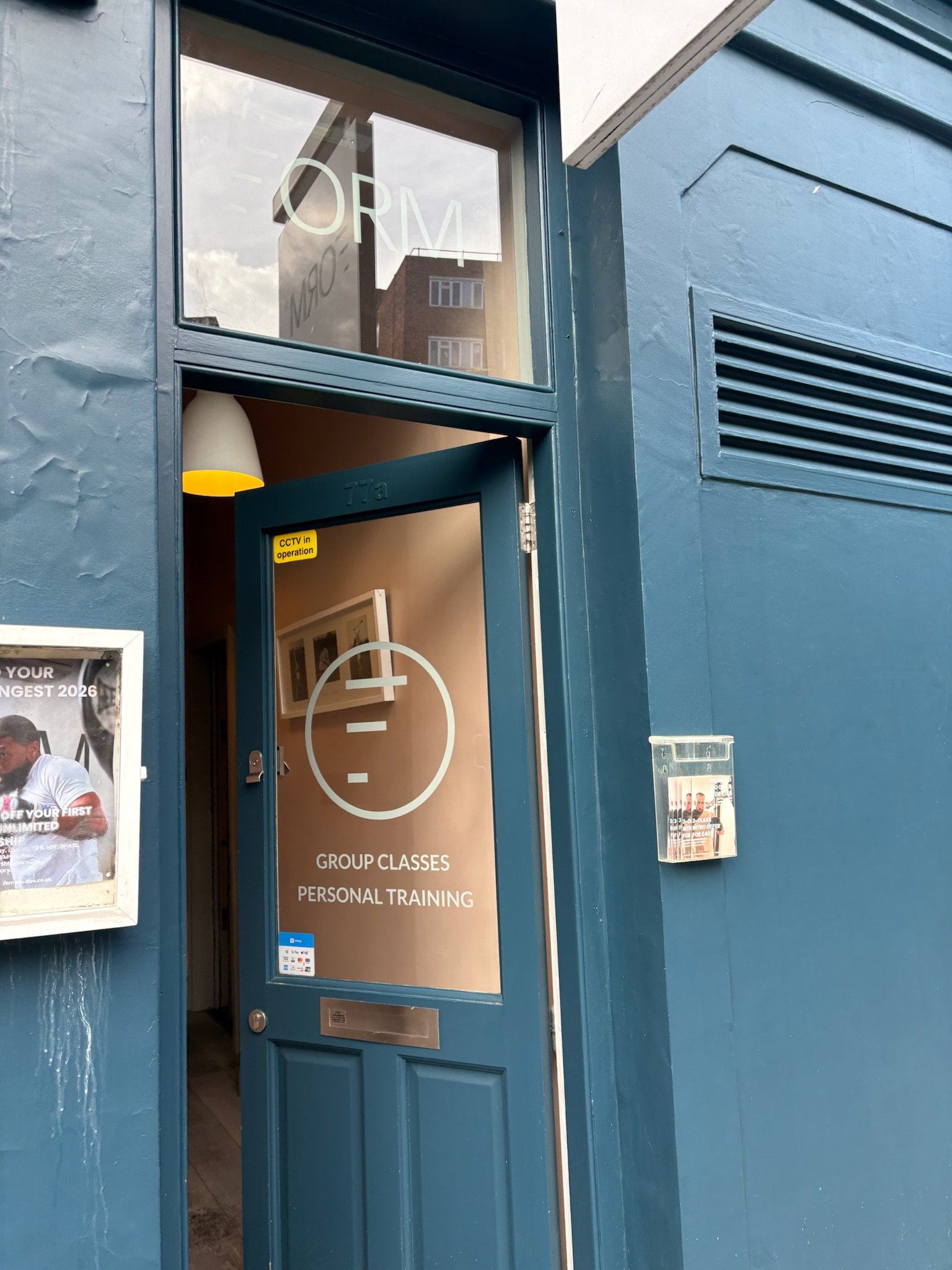

I have a particular love for London. It is where Telomere started. Form Studios in Notting Hill was my first client, and that relationship set the tone for everything that followed. Before that, it was simply home, and it shaped a lot of how I think about boutique fitness: the value of proximity, the expectation of excellence, and the true meaning of community. It is where I fell in love with boutique fitness. When I visit now, I go with fresh eyes and professional ones. I watch how studios move, price, and retain. And what I see consistently is a market that has a lot to teach the rest of the world, even if, operationally, it has some catching up to do.
London's boutique fitness scene is not just big. It is mature, sophisticated and high-expectation, and always has been. Here is what the data shows, what I observed on the ground, and what it means for you as a studio owner. This is what studio owners around the world can learn from one of the most competitive fitness markets on the planet.
The Market at A Glance
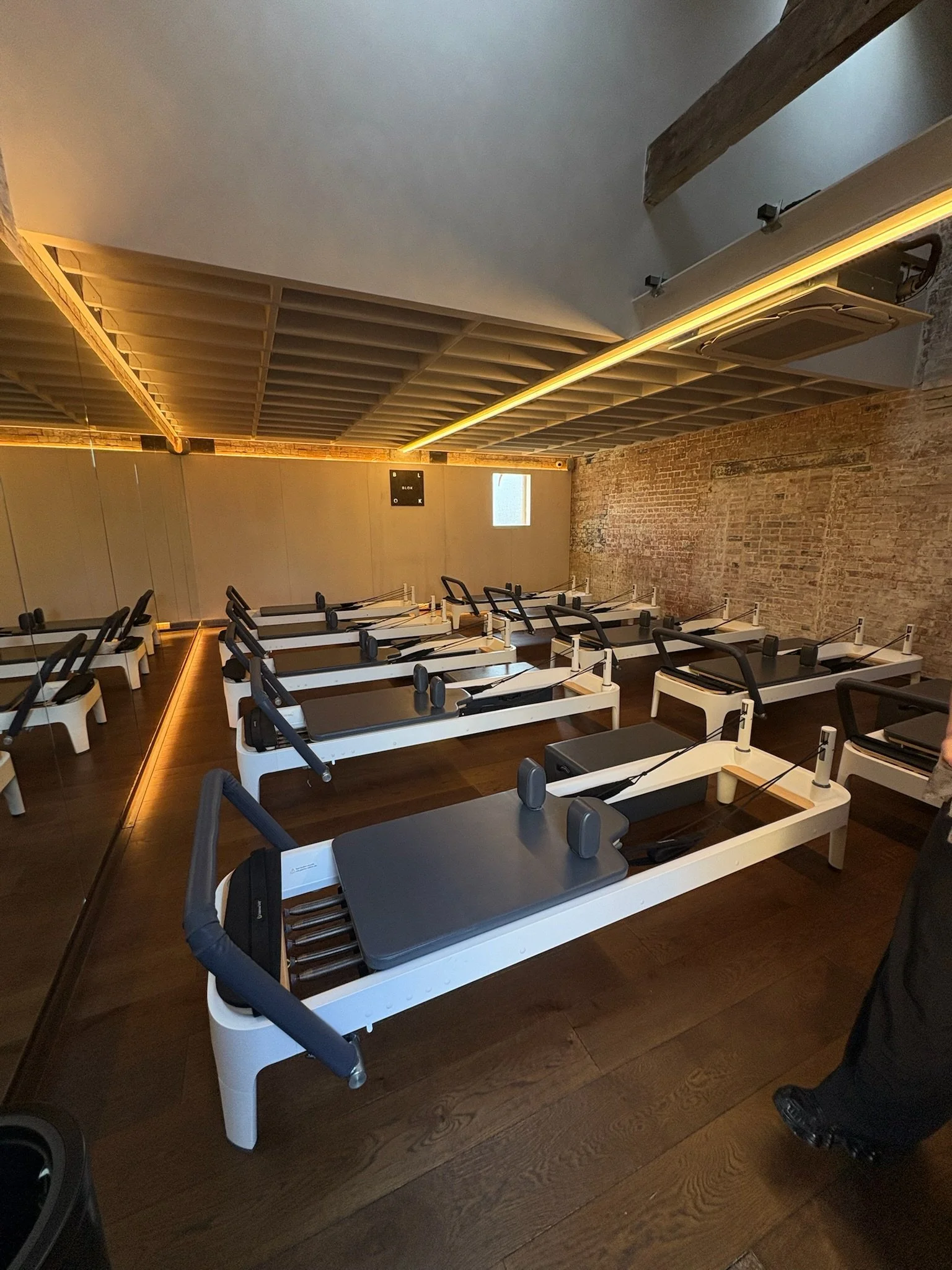
Love Supreme Projects in London, UK
London is one of the densest boutique fitness markets on earth. According to Leisure DB's London Boutique Studio Report, there are now more than 300 boutique fitness studios across the city. That’s a growth of 17.4% compared to 2018, which was already considered the sector's heyday. More striking still: 56% of London's adult population of nearly 7 million people now lives within one mile of a boutique studio. That is not a trend. That is infrastructure.
The pricing data tells an equally interesting story. The average unlimited monthly membership fee in London has increased by more than 20% since 2018. In context, the average monthly gym membership across London now sits at approximately £76, roughly 55% above the UK national average of £48.45. At the premium end, studios and health clubs routinely charge £150 to £400 per month, with some private members' clubs — KX in Chelsea being the most notable — starting at £615 per month plus a joining fee.
For studio owners used to operating in markets where a $200/month membership feels like a stretch, London offers a useful recalibration. The market has trained its clients to pay for excellence. The question is: what does excellence look like?
What's Dominating the Floor?
If you visit London right now, one word follows you everywhere: Pilates. Reformer Pilates has become the city's defining modality, and it is everywhere: from intimate eight-machine neighborhood studios in Tottenham to sprawling multi-floor destinations in Notting Hill. Studios like Ten Health & Fitness (which caps reformer classes at ten people for a near-personal-training experience), Heartcore, Tempo Pilates, and Barrecore's spin-off reformer concept have all built loyal, high-retention communities around this format. Lagree — the megaformer variation on Pilates — is also arriving in force, with studios like Studio Fix and Form's new sister location in Queensway bringing the Hollywood-favourite format to a London clientele that already knows how to take Pilates seriously.
Boxing remains a strong second. London has a deep culture around boxing, and that cultural credibility has translated well into premium studio formats. BXR in Marylebone — backed by Anthony Joshua — has created a standard for what boxing-first boutique studios can look like at the luxury end. Jab Boxing Club, founded by a former boxing champion, has built its own celebrity following. These are not novelty boxing concepts. They are serious operations with serious clientele.
Cycling has matured. The spin boom of the mid-2010s has given way to a more considered version of the category, with studios like Psycle and 1Rebel anchoring their ride offerings within broader multi-format propositions. And strength training is moving in fast. HYROX has gained genuine traction in London, and studios are beginning to integrate structured strength formats alongside their core modalities in response to a client base that is more fitness-literate than ever.
The studios winning in London are not chasing every trend. They are picking a lane and going deep, then layering adjacent formats that reinforce the core identity rather than dilute it.
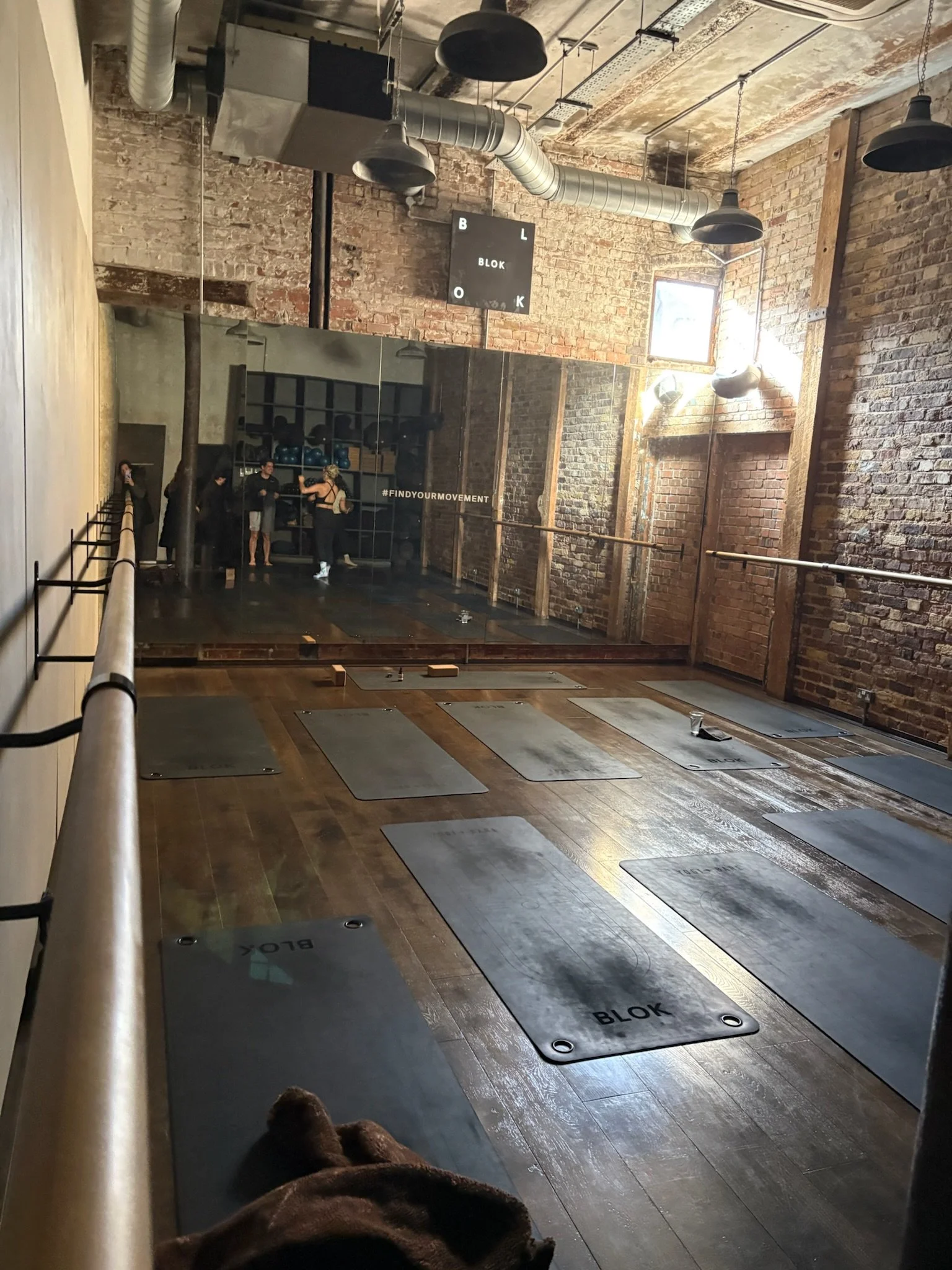
Blok Clapton in London, UK
The Operational Bar is High
What struck me most visiting London studios is not the equipment or the aesthetics — though both are impressive — it is the standards. The expectations baked into the experience from the moment you book to the moment you leave.
London studios largely do not apologize for their prices. They justify them. Showers come stocked with premium products, like a good hand cream, which is expected. Towels are a given. Blowdryers — often Dyson — are standard in higher-end changing rooms. Some studios offer barber services and blowouts post-class. Cold towels are handed out. Smoothie and coffee bars are built into the space, not bolted on. Recovery lounges, like infrared saunas, contrast therapy, and cryotherapy chambers, are increasingly part of the core offering rather than an add-on. The client walks in expecting a luxury experience, and the studios that deliver one earn their retention.
This is a client base that does not have much friction tolerance. A Londoner paying £35 to £45 per class — which is completely standard at premium studios — expects everything to work, everything to feel intentional, and everything to signal that their time and money are respected. Studios that get this right retain at high rates. Studios that treat premium pricing as a revenue strategy without the operational discipline to back it up do not last long.
Small class sizes are another defining feature of London's best-performing studios. Limiting reformer Pilates to 8 to 10 clients, keeping boxing sessions intimate, positioning the instructor as coach rather than crowd controller. This is not just a product decision but a retention strategy. Clients who feel seen come back. In a market where there are 300 studios within a roughly 600 square mile city, the ones that build genuine community are the ones that survive.
One area where the London market still has room to grow is instructor quality. The explosion of Pilates and yoga has brought with it a wave of quick certifications and newly minted trainers, and the gap between a well-trained instructor and an inadequately prepared one is something discerning clients notice quickly. The studios investing in ongoing education and holding their talent to a high standard are the ones building the kind of trust that translates into long-term membership.
The Aggregator Conversation Is Alive — Again
Walk into almost any London studio and you will find ClassPass on the booking menu. Virtually everyone is on it. Mindbody dominates as the backend software of choice, which means the booking infrastructure is relatively consistent across the market. What is less consistent is what studios do with the traffic these platforms generate.
A new booking app called Sportl launched in March 2026 with 50 partner studios on a pay-as-you-train model, no subscription, no commitment, and explicitly positioning itself as a demand-generation channel for studios struggling to fill unused capacity. It is the latest iteration of a concept the London market knows well, and it raises the same questions it always has: does aggregator traffic convert to loyal members, or does it commoditize the experience and train clients to shop on price?
The studios navigating this best are the ones who treat aggregator platforms as a top-of-funnel tool rather than a revenue strategy. They use the exposure to get new clients through the door, and then they work the conversion in person. Notably, London clients are not particularly receptive to automated email sequences. The culture around digital communication leans more personal and direct, which means the conversion work happens face-to-face, through front desk interactions and instructor relationships, rather than through a drip campaign. If your intro offer and your first-class experience are not engineered to move a casual aggregator booking into a membership through human connection, you will always be dependent on the platform.
Aggregators will always exist in dense urban markets. The question is not whether to be on them. It is whether your studio experience is compelling enough to convert the clients they send you.
The Geographic Opportunity
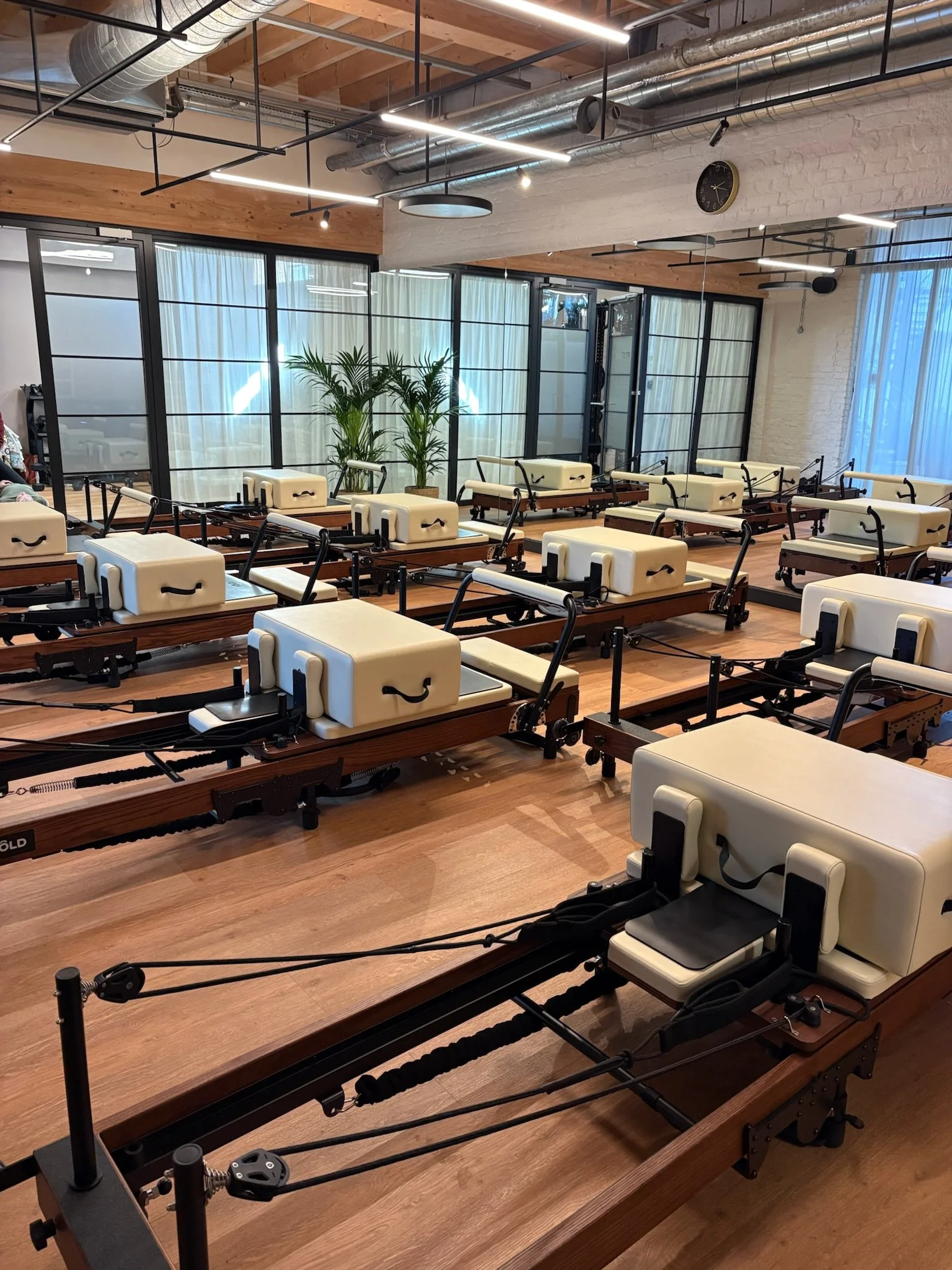
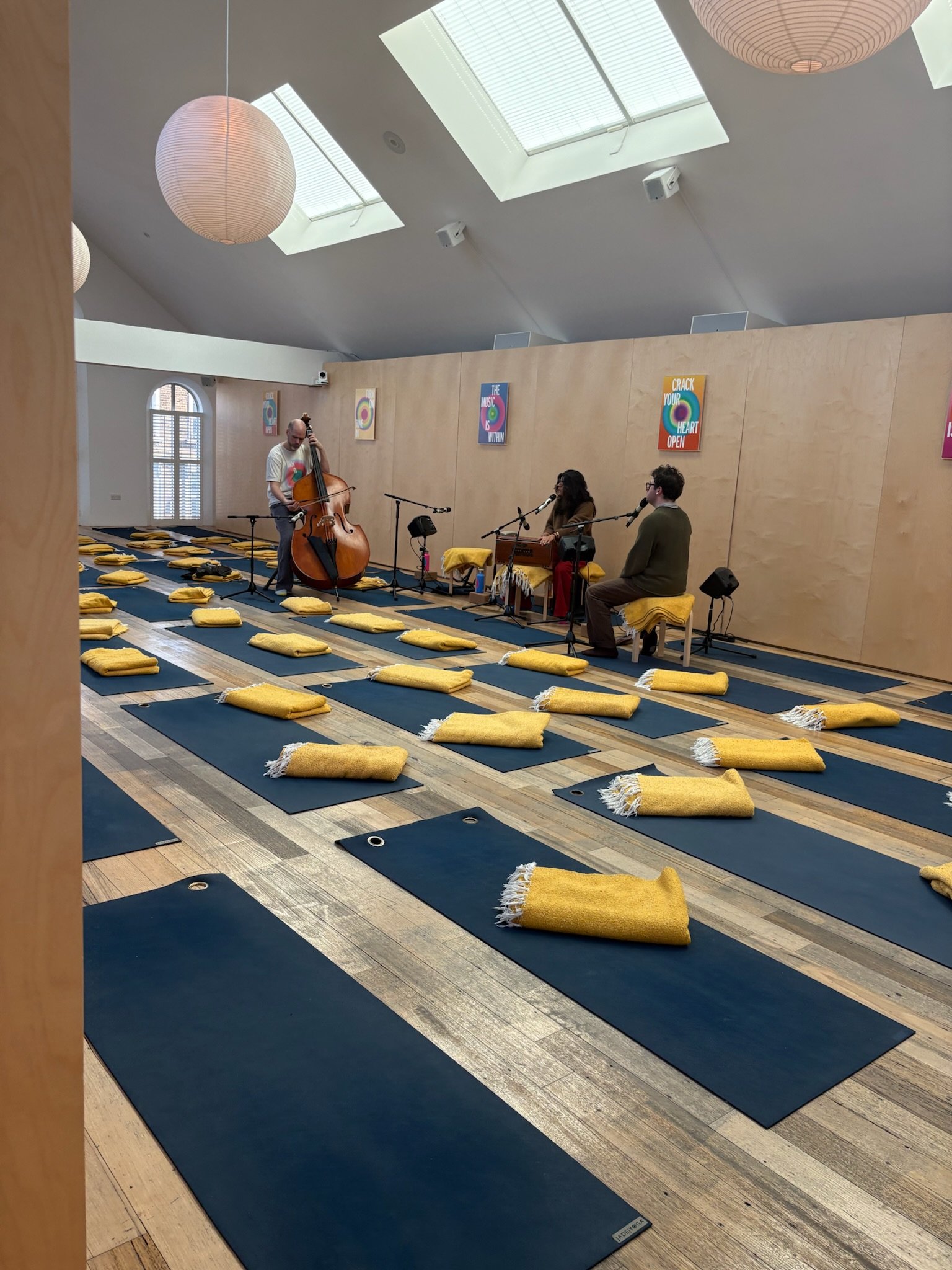
Silo Studios in London, UK
London's boutique fitness market has historically concentrated in West and Central London — Chelsea, Kensington, Notting Hill, Mayfair, Marylebone — with the City of London adding a strong weekday corporate client base. These neighborhoods remain competitive and expensive to operate in. What is interesting to watch right now is the expansion eastward and southward.
BLOK, which runs two locations in East London — Clapton and Shoreditch — has built one of the more interesting brand identities in the market, explicitly leaning into the aesthetic of its neighborhoods: a refurbished Victorian Tram Depot in Clapton, a minimalist Scandi-influenced space in Shoreditch. LevelOut, a community-oriented Pilates brand, is growing rapidly across South London, which has historically been underserved for boutique fitness. First Reform Pilates in Tottenham, described as that neighborhood's first and only reformer studio, is operating with eight machines and a strong community culture at a price point (£24 per session) well below the West London premium.
Convenience is the thread running through all of it. London is a big city, and people do not travel far for their workouts. The studios that win in any given neighborhood are often simply the best option within a 15-minute radius, which means proximity is as much a competitive moat as quality. The geographic story in London is still being written, and the premium demand exists far beyond the traditional postcodes. Studio owners willing to bring high quality to neighborhoods that have not historically had access to it are finding real loyalty. And lower rent.
The Wellness Layer
London studios are not just fitness destinations anymore. The most ambitious of them are positioning as wellness destinations, and the client appetite for this is real. Repose Space in Kensington pairs movement classes with cryotherapy and infrared saunas. KXU offers facial and massage treatments alongside its pay-as-you-go fitness program. The Method's expanded Club concept in Notting Hill is adding a contrast therapy spa with Swedish sauna and ice baths. Bodyism on Westbourne Grove, members-only and famously intimate, is as well known for its pancakes as for its reformer sessions.
This integration of recovery, nutrition, and wellness into the studio offering is not a passing trend in London. It is a structural shift. Clients are choosing studios that see them as whole humans rather than class count metrics. For independent operators, this does not necessarily mean building a cryotherapy chamber, but thinking about what happens before and after the class, and whether your studio creates conditions for people to linger, connect, and feel like they belong somewhere.
What Studio Owners Everywhere Can Take Away
You do not need to be operating in London to apply what this market has refined.
Here is what transfers directly from London’s Boutique Fitness Market:
Price for the value you deliver. London clients pay £35 to £45 per class with relative ease because the experience justifies it. If you are underpricing in your market, don’t think you are making fitness accessible. Instead, you are eroding your ability to invest in the quality that creates retention.
Small class sizes are not a capacity constraint. They are a competitive advantage. The studios commanding the highest loyalty and the highest prices in London are often the ones with the fewest spots. Scarcity and personalization are powerful signals.
Aggregators require a human conversion strategy. If you are on ClassPass, your front desk and your instructors are your retention tools, not your email automations. The conversion happens in the room.
The wellness layer matters. Think about what happens beyond the class: the changing room, the post-workout ritual, the sense of belonging. A good hand cream and a warm towel are not indulgences. They are signals that you take the experience seriously.
Invest in your instructors. Quick certifications have flooded the market, which means genuinely skilled talent is harder to find and worth holding onto. The studios building lasting loyalty are the ones with instructors who can lead a class safely, with intention, and build real relationships with the people in the room.
Geographic opportunity often lives in underserved neighborhoods. The most interesting growth stories in London right now are happening outside the traditional premium postcodes. The demand exists. The studios willing to go to it are building something durable.
London is a hard market. High rents, high expectations, and 300 competitors within city limits mean there is no room to be mediocre. But the studios that are thriving there have figured out something that applies everywhere: when the experience is exceptional, the pricing is justified, and the community is real, clients do not leave. They recruit. They stay for years. They tell everyone they know.
That is not a London lesson. That is the lesson.
Catalina is the Founder and CEO of Telomere Consulting, a boutique fitness studio consultancy and marketing agency that has worked with 650+ studios globally. Learn more at telomereconsulting.com.
Telomere is a consulting and marketing agency for boutique fitness and wellness studios worldwide. We help studio owners expand their reach, increase their profits and retain more clients with seamless data-driven solutions every single day. Book your free intro call here.
At Telomere Consulting, our experienced team partners with boutique fitness and yoga studio owners to develop strategic frameworks that drive sustainable growth. We provide deep industry expertise and proven business strategies, helping you navigate everything from market positioning and pricing to marketing with confidence. Book your complimentary strategy session here to get started.
What's a Telomere?
A telomere is a protective structure found at the ends of chromosomes in your cells. The length of your telomeres is influenced by factors like genetics, stress, lifestyle choices, diet, and exercise. Telomere Consulting draws on this biological concept as a metaphor for helping businesses maintain their "health" and longevity through strategic choices - much like how healthy lifestyle choices may help preserve telomeres in the body.