
The Industry Has a People Problem, Not a Demand Problem: Takeaways from the 2026 ATN Summit
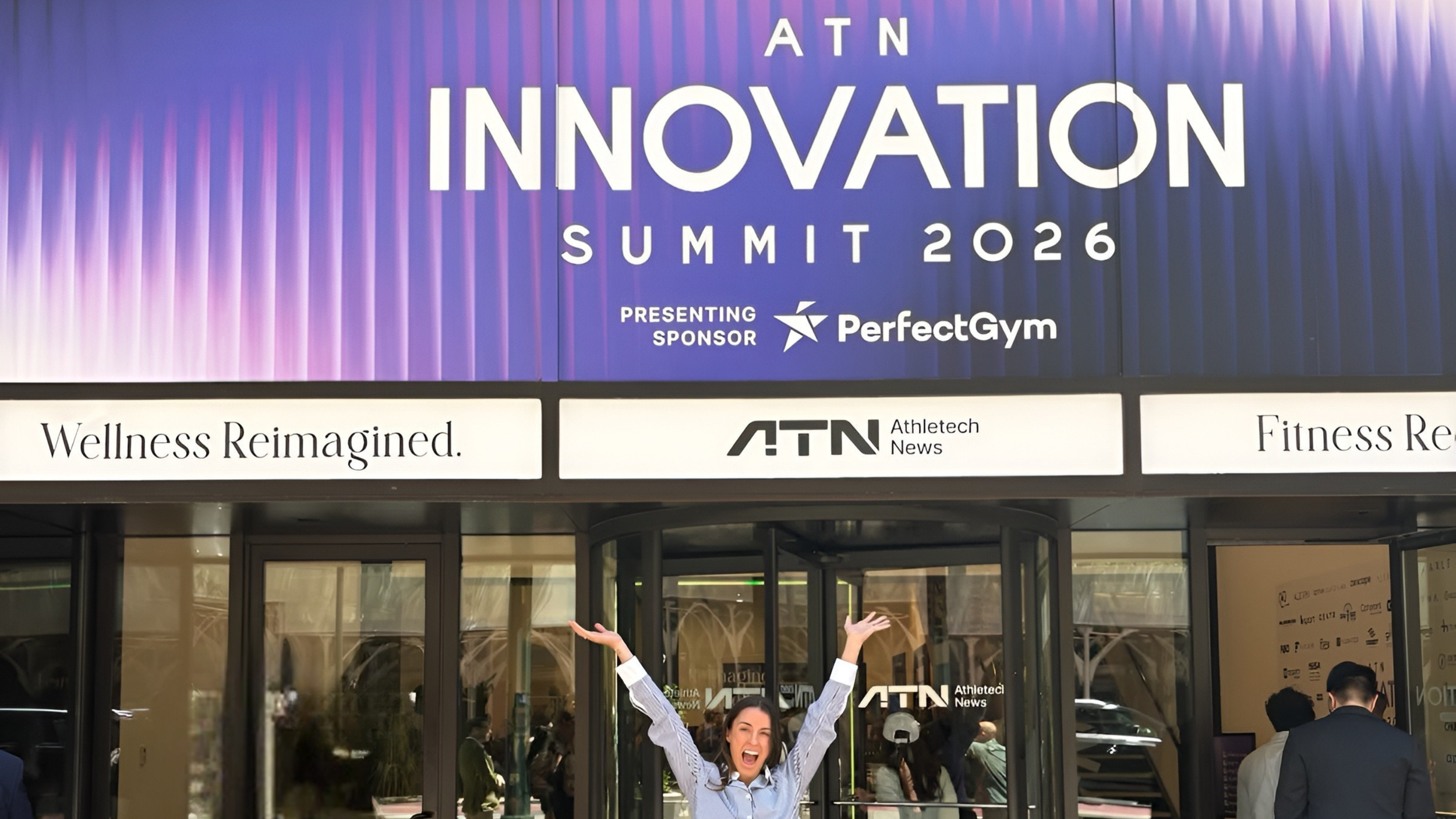
Telomere’s CEO, Catalina, attended the ATN Summit in New York on June 16-17, 2026. Read her insights and takeaways below.
I attended the ATN Summit in New York this week, and I’m still processing the content from the sessions and the conversations. Two days, two stages, a room full of C-suite operators, franchise executives, investors, and a handful of industry partners, software providers, and multi-location owners watching the larger industry conversation unfold in real time.
Interestingly, the demand story is not the story right now. Pilates is still opening locations at break-even with 100 to 150 members on day one. Strength training is pulling consumers who never thought of themselves as ‘gym people’. Tier-two and tier-three markets are absorbing concepts that used to require a dense urban core. And, in keeping with what we’ve been saying, there is still significant runway; the category is not saturated, and the consumer appetite is real.
What surfaced across nearly every session, whether it was to do franchise strategy, member experience, brand positioning, or talent acquisition, was a less obvious and more structural challenge: the industry's ability to grow is being throttled not by demand, but by people. The right people are hard to find, hard to keep, and hard to scale without losing the USP that made the business worth scaling in the first place.
AI is not Solving This; It is Freeing Up Space for Humans to
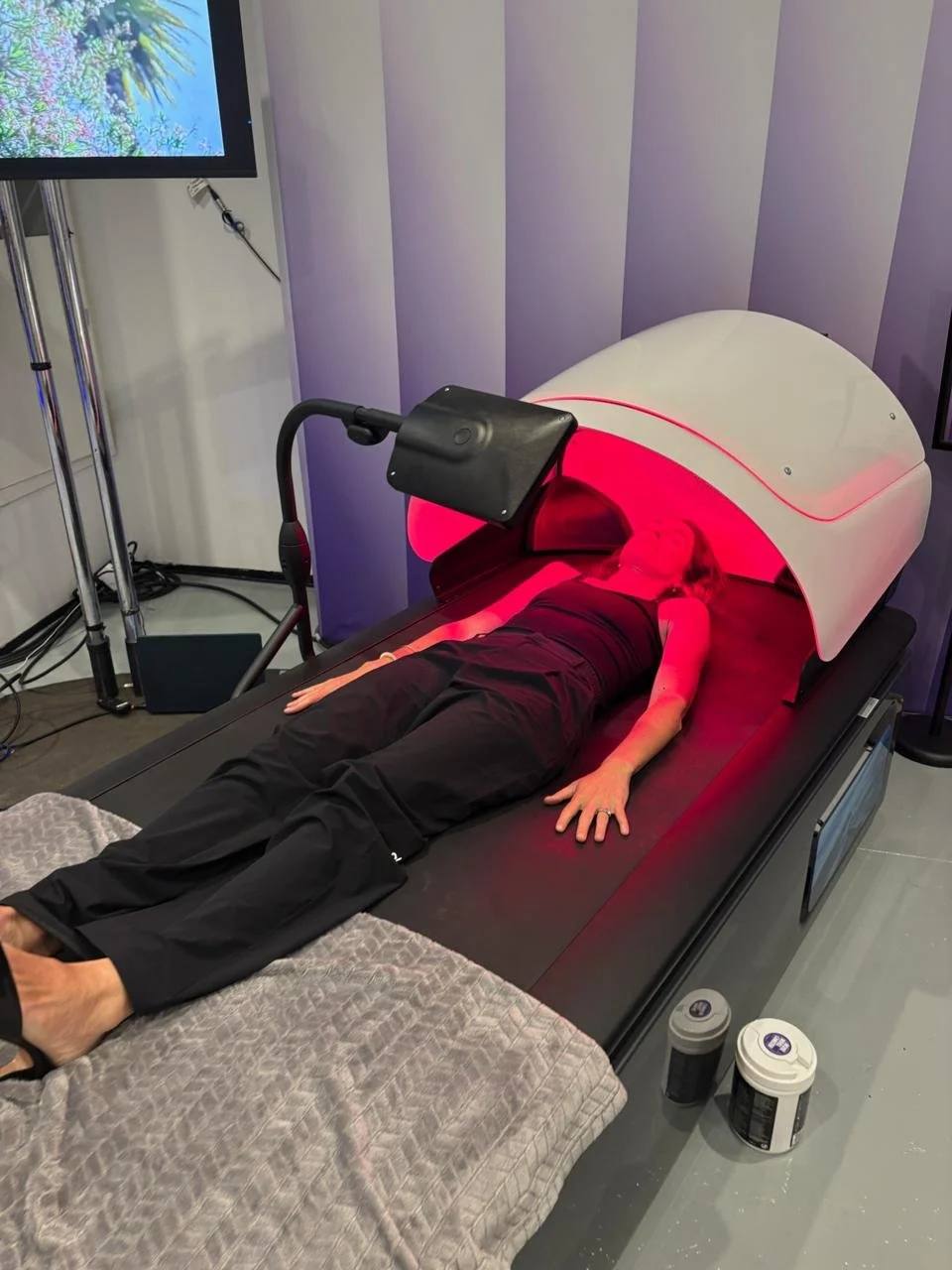
The technology conversation at ATN was more grounded than I expected. Even the session led by Meta’s Kevin Tadmori on what is shaping consumer engagement in fitness and wellness, which was ambitious in its framing of agentic commerce and AI-driven personalization, landed on a bottleneck that has nothing to do with the algorithm: creative diversity. The algorithm is waiting on you to give it something worth distributing.
What the more practical panels made clear is that AI's best current use case is reclaiming human bandwidth. Lead nurturing, review management, off-hours support, campaign optimization, to name a few, and when automated well, these return your team's attention to the moments that actually retain members. The science is getting faster, yes, but the experience is still the magic differentiator.
Talent is the Actual Ceiling on Growth
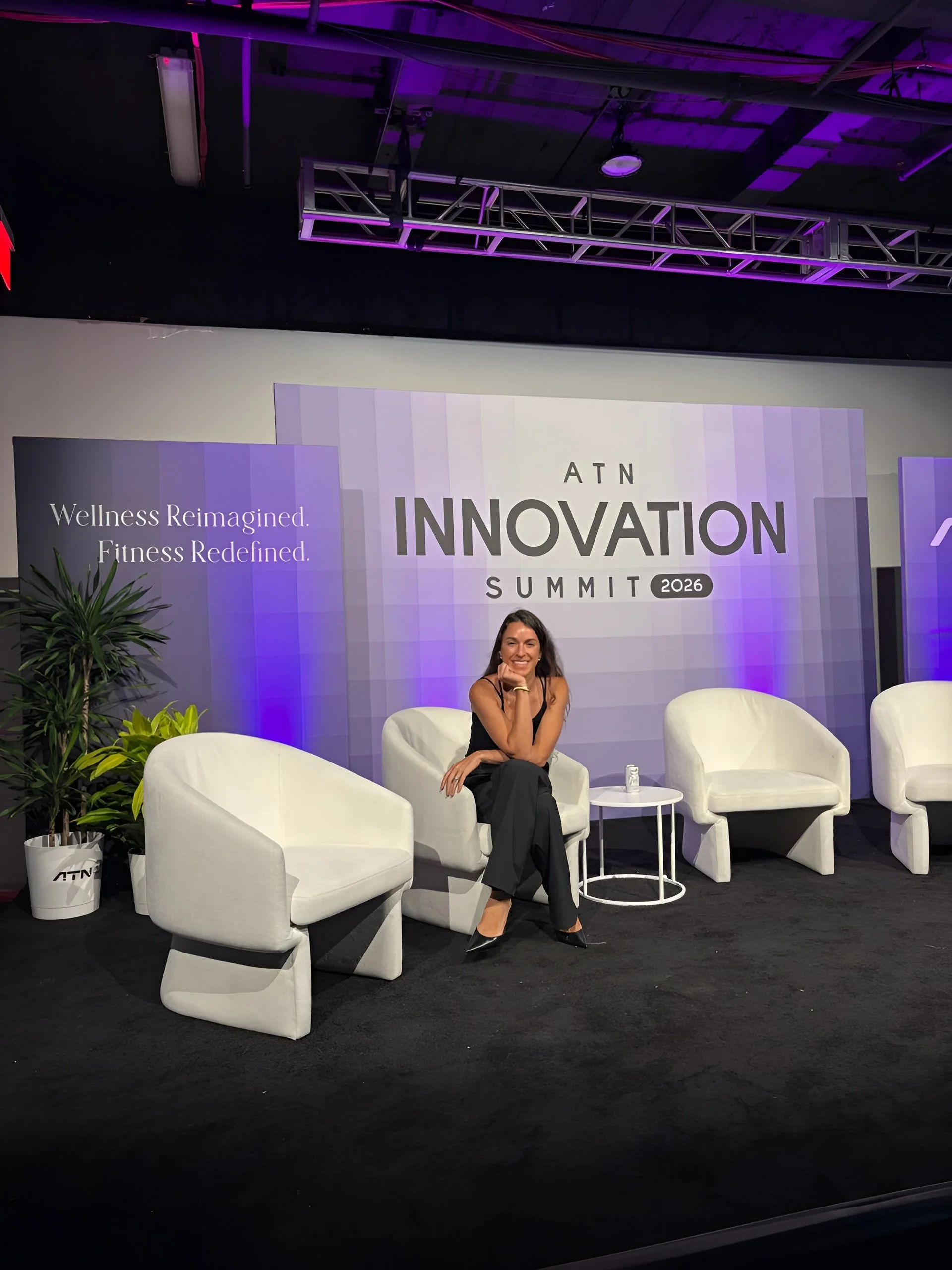
The talent panel was one of the more timely and honest conversations of the summit. The headline was a shortage, but the more important observation was that it is not purely a supply problem but rather a connection problem. Coaches, trainers, instructors definitely exist in the market. The issue is that the industry is not retaining them, not building career pathways for them, and in many cases, not giving them a compelling reason to stay.
The main takeaway was prioritizing synergy, empathy and emotional intelligence as being the most important characteristics when selecting a new hire. The ability to connect, read a room, and make a member feel something is ultimately more important than anything else, especially given the underlying elements of hospitality naturally inherent in boutique fitness. The instructor who is good at sequencing and programming is great, but that is a skill that can be learned. Treating talent development the way hospitality companies do with intentional onboarding, internal career pathing, and a brand culture worth belonging to is where studio owners should place their focus.
Even the Biggest Players are Still Working Out Their Differentiation
The Pilates session, coined “Pilates Wars” and including a panel of Solidcore’s President and CEO Bryan Myers, Alex Myers of JetSet Pilates, Jenna Morris of Club Pilates, and Sarah Luna of Pilates Addiction was telling not for its growth story (that is well established) but for what it revealed about identity. Solidcore has moved away from the word Pilates entirely after consumer research showed the traditional framing was not attracting the audience they wanted. Club Pilates launched a circuit format to stay relevant to the strength trend. Jetset is more than ever focused on brand clarity. These are scaled, well-resourced concepts actively renegotiating how they describe themselves.
The power of positioning panel reinforced this from a different angle. The brands that have held (Tracy Anderson, Othership, and Myo) made early, disciplined decisions about what they were not, and stayed there. Being opinionated about the status quo you are standing against is an ongoing strategy to prioritize.
A Few Final Thoughts
The conditions for growth in this industry are (as usual, hurray) favorable. Demand isn’t the constraint and when considering the advances of technology (AI) and the profile of today’s boutique fitness consumer, wellness has moved from an occasional luxury to something closer to daily infrastructure. As Eddie Hertzman, CEO of Athletech News put it in his opening speech: “Wellness is the new black.”
And yet two days of conversation in New York kept returning to the same friction: finding people with the right qualities, keeping them, and scaling without the experience becoming generic. These are not new problems, they’re old problems now arriving at much higher volume.
The businesses that define the next phase of boutique fitness will not be the ones with the best product alone. They will be the ones that figured out how to build, develop, and retain the people delivering it. A nice return to what matters :-)
Catalina is the founder and CEO of Telomere Consulting, a boutique fitness and wellness business consulting agency working with studio owners across the US, Canada, the UK, and Europe.
At Telomere Consulting, our experienced team partners with boutique fitness and yoga studio owners to develop strategic frameworks that drive sustainable growth. We provide deep industry expertise and proven business and marketing strategies, helping you navigate everything from market positioning and pricing to marketing with confidence. Book your complimentary strategy session here to get started.